
Safe, understood, and capable.
A supportive space where children explore their world through the natural language of play.
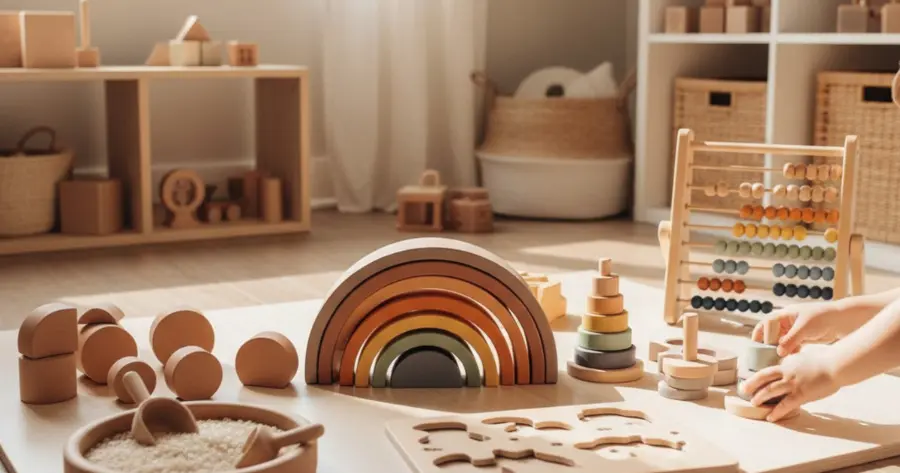
Creating space for what isn't said yet
Parents often come to play therapy when their child is struggling with big feelings, behavioral challenges, or life changes they don't yet have words to explain. As a play therapist, I offer children a supportive space where they can express themselves through play — the natural language of childhood.
Every behavior tells a story. My approach helps uncover what your child's play and actions are saying about their inner world. Using evidence-based play therapy techniques, I help children process emotions, build coping skills, and develop confidence in a way that feels natural to them.
My work is grounded in warmth, empathy, and respect for each child's pace. I collaborate closely with parents, providing insight and guidance so you can better understand and support your child's emotional needs at home.
What is play therapy?
Play therapy is a form of psychotherapy that uses play — the way children naturally express thoughts and feelings — as a means of communication and healing. It is most often used with children between ages 3 and 12, but can also benefit adolescents and even adults in some cases.
Purpose
Play therapy helps children express emotions, resolve conflicts, develop problem-solving skills, and improve behavior. It provides a safe, supportive space where children can explore experiences they may not yet have the words to describe.
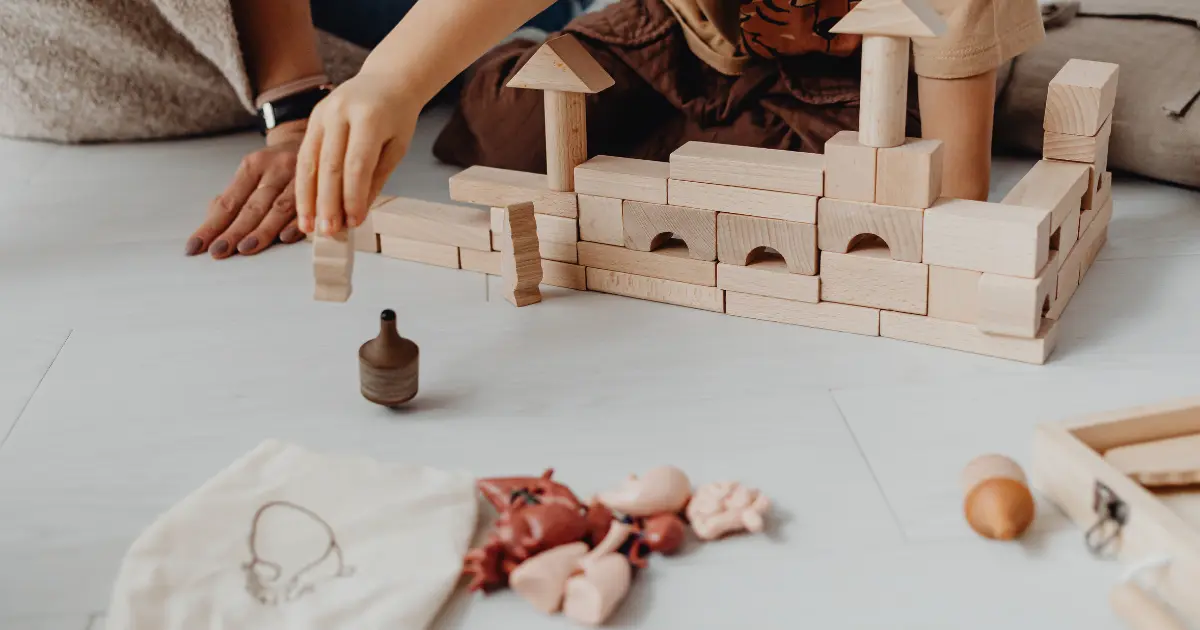
How it works
In play therapy, toys, art materials, sand trays, puppets, and games are used as tools for expression. I observe and engage with your child to understand their emotional world and guide them toward healthier ways of coping.
Goals of play therapy.
- 01
Emotional expression
Build vocabulary for feelings before words show up.
- 02
Communication skills
Trust first, then the conversation about what is hard.
- 03
Less anxiety, less stuckness
Reduce anxiety, trauma symptoms, and behavioral challenges.
- 04
Stronger relationships
With parents, peers, and caregivers — at school and at home.
Play becomes a language — letting children process experiences and emotions in a developmentally appropriate way, supported by a trained therapist.
Ready when you are.
A free 15-minute call to see if we're a good fit. No pressure, no script.